
The Importance of Regular Maintenance to Avoid Broken Springs
- COMMERCIAL GARAGE DOOR REPAIR
- GARAGE DOOR OPENER INSTALLATION
- GARAGE DOOR SPRING REPAIR
- SAME-DAY GARAGE DOOR REPAIR
- CUSTOM GARAGE DOOR
- GARAGE DOOR OPENER REPAIR
- GARAGE DOOR TRACK REPAIR
- GARAGE DOOR CABLE REPAIR
- GARAGE DOOR PANEL REPAIR
- LOCAL GARAGE DOOR REPAIR
- GARAGE DOOR REPLACEMENT
- NOISY GARAGE DOOR FIX
- GATE REPAIR
- GARAGE DOOR INSTALLATION
- GARAGE DOOR SECTION REPLACEMENT
- OVERHEAD GARAGE DOOR REPAIR
The Importance of Regular Maintenance to Avoid Broken Springs
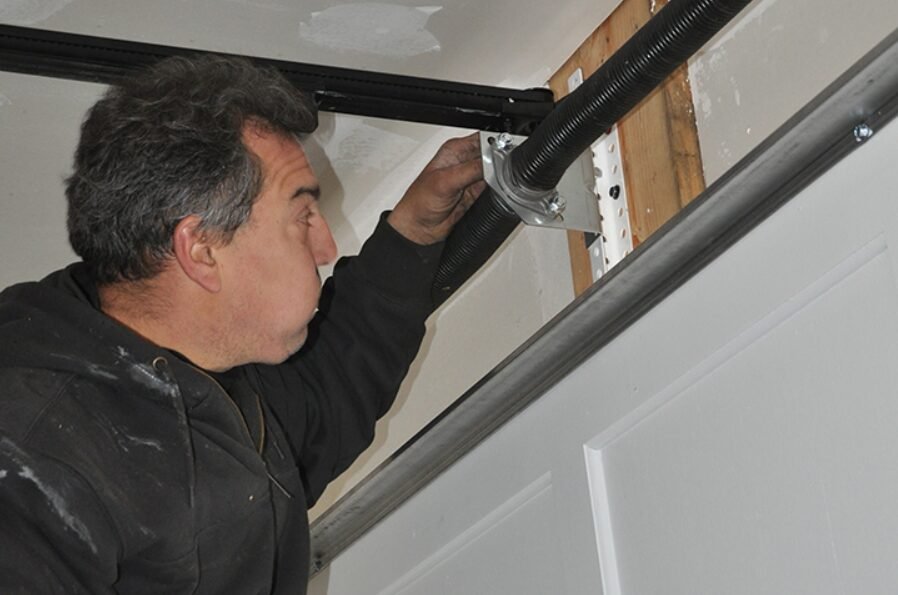
Most homeowners never think about the massive tension hanging just above their heads every time they park their car. The springs on your garage door act as the muscles of the entire system, bearing the brunt of the heavy lifting day in and day out. However, like any muscle that works hard without rest or care, they eventually fatigue and snap. A sudden failure can turn your garage into a dangerous trap, leaving your vehicle stuck inside or, worse, causing injury. at Powell Garage Door Repair, we often see that simple, consistent attention could have prevented these emergencies. By committing to a basic maintenance routine, you extend the lifespan of your hardware and keep your home running smoothly
Understanding the Role of Lubrication and Balance
Friction is the silent killer of garage door hardware. Every time you open or close the door, metal parts grind against other metal parts. Over months and years, this constant friction wears down the steel coils of your springs, creating weak points that eventually fracture. You can fight this wear significantly just by keeping things slick.
Grab a can of high-quality silicone spray or white lithium grease—never use WD-40, which is a degreaser and will actually strip away protection. Coat the full length of the torsion springs (the ones above the door) or extension springs (the ones on the sides). As the door moves, the lubricant works its way between the coils, allowing them to expand and contract without grinding. This simple 10-minute task once every few months reduces the stress on the metal significantly. While you are at it, spray the rollers, hinges, and bearings. When these parts move freely, the springs don’t have to work as hard to lift the door, preserving their cycle life.
Testing Door Balance to Reduce Strain
Lubrication helps, but it cannot fix a door that is fighting against gravity incorrectly. Your garage door springs are calibrated to lift a specific amount of weight. If the door becomes unbalanced, the springs have to work overtime, pulling a load they weren’t designed to handle. This excess strain is a fast track to a broken spring.
You should test the balance of your door at least twice a year. Start by closing the door and pulling the emergency release cord to disconnect the automatic opener. You need to feel the true weight of the door. Lift the door manually until it is about halfway open—roughly waist or chest high—and let go. A well-balanced door will hover in place, supported entirely by the tension of the springs. If the door slams down to the floor, the springs are weak or under-tensioned. If it flies up, they are wound too tight. In either case, the imbalance puts incredible stress on the metal coils. If you find your door is out of balance, do not attempt to adjust the tension yourself; call a professional immediately to correct it before the spring snaps completely.
Visual Inspections for Early Warning Signs
Metal fatigue often leaves clues long before a catastrophic failure occurs. You don’t need to be a mechanic to spot the warning signs of a dying spring. Make it a habit to visually inspect your hardware whenever you are in the garage.
Look closely at the springs for gaps in the coils. A healthy torsion spring should look like a continuous, tight roll of steel. If you see a distinct gap of a few inches, the spring has already broken and is just holding its shape due to tension on the other parts. Also, check for rust. Corrosion eats away at the steel, weakening the structural integrity of the coil. If you see heavy rust, the spring has likely lost a significant amount of its strength. Listen to the door as well. A loud “boing” noise or excessive squeaking that lubrication doesn’t fix often indicates that the spring is struggling. Catching these signs early allows you to schedule a replacement on your terms, rather than waiting for a loud bang in the middle of the night to signal a total system failure.